Infinite Scroll, Zero Guts: How Streaming Trained Us to Love Mediocrity
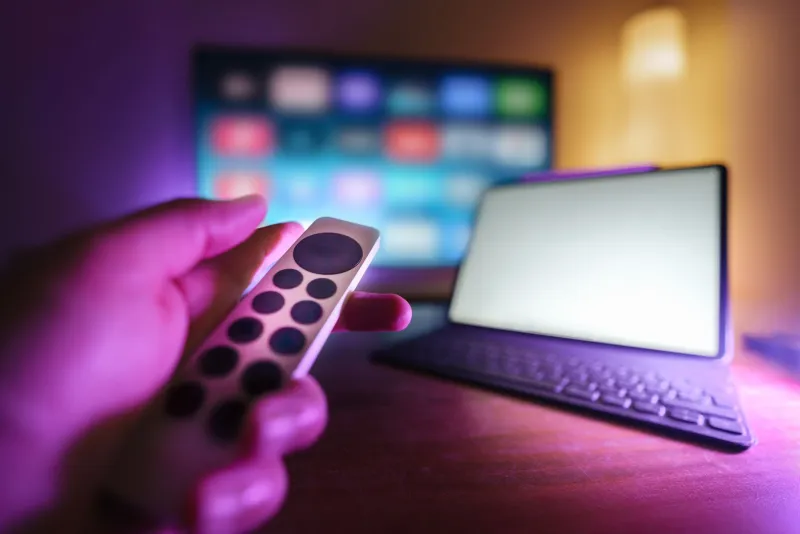
Somewhere between your fourth consecutive hour of a show you'd describe as "fine" and the moment you opened a new tab to scroll for something better while still watching the first thing, streaming broke your brain. Not dramatically. Not with a bang. It just quietly lowered the bar until you forgot there used to be one.
We were sold infinity. What we got was an infinite supply of the same beige.
The Algorithm Doesn't Want You to Feel Anything Too Strongly
Here's the uncomfortable truth about how these platforms actually work: the algorithm isn't optimizing for quality. It's optimizing for continued engagement, which sounds like the same thing until you realize they are almost perfectly opposed. A film that destroys you emotionally — that makes you sit in silence for ten minutes after the credits roll — is a risk. You might not start the next thing right away. You might tell a friend it was devastating and hard to watch. The algorithm reads that friction as a failure state.
What it wants is the cinematic equivalent of a firm handshake. Competent. Inoffensive. Repeatable. Something you'll finish, feel vaguely satisfied by, and immediately replace with another firm handshake. Netflix, Hulu, Max — they've all built recommendation engines that are essentially engines for producing more of what already worked well enough. And "well enough" is the operative phrase, because well enough keeps subscribers. Masterpieces are unpredictable. Masterpieces make people feel weird. Weird doesn't retain.
The result is a content library that reads like a mood board for a company that wants to seem culturally relevant without actually committing to a culture. Prestige aesthetics. Familiar structures. Endings that gesture toward meaning without landing on any. A four-letter word for it: safe.
Infinite Choice Is a Lie We Bought Wholesale
The paradox of streaming is that more options has functionally produced less variety. When you have 10,000 things to watch, the psychological weight of making the "wrong" choice becomes paralyzing. So you default. You pick the thing that looks like something you already liked. You pick the thing with the familiar face in the thumbnail. You pick the thing the platform has already pre-selected for your top row because its data says you'll probably finish it.
Studios and streamers figured this out fast. If audiences self-select toward the familiar, why fund the unfamiliar? Why greenlight the weird pitch, the difficult story, the movie that demands something from its viewers? The financial logic writes itself: make content that fits the slot audiences are already comfortable occupying, and you'll convert more browsers into watchers.
What this has quietly murdered is the concept of a cultural moment. Remember when everyone had actually seen the same movie? When water-cooler conversation about a film assumed shared experience rather than shared algorithm? Streaming's fragmentation of the audience was supposed to be a feature — something for everyone — but it's functioned more like a cultural dispersal device. We're all watching. None of us are watching the same thing. And increasingly, none of what we're watching is worth arguing about.
The Blandness Is Structural, Not Accidental
Let's be clear about something: this isn't a creative failure. It's an architectural one. The writers and directors working inside these systems are not suddenly less talented than the people who made films that mattered in previous decades. Many of them are exceptional. But they're operating inside a machine that has systematically de-risked the development process to the point where genuine creative danger is nearly impossible to get approved.
Notes culture on streaming is legendary among industry insiders for exactly this reason. Projects get workshopped into submission. Characters get softened. Endings get tested. The sharp edges that make a story memorable — the choices that feel bold or strange or uncomfortably specific — get sanded down in development because the data says broad plays better than precise. And broad, by definition, is forgettable.
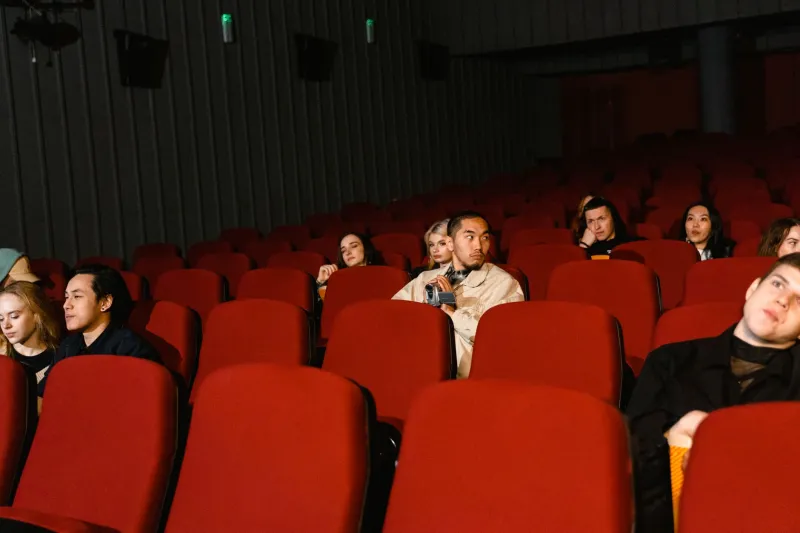
The theatrical window used to function as a kind of filter. A movie had to earn its audience. It had to give people a reason to leave the house, pay for parking, and sit in a dark room with strangers. That pressure produced a certain kind of intentionality. Streaming removed the pressure and replaced it with availability, and it turns out availability is not the same thing as value.
We Are Complicit and We Should Own That
Here's where the editorial gets uncomfortable: audiences share the blame. Not primarily — the platforms built the machine and the studios feed it — but we've been willing participants in our own cultural dumbing-down, and pretending otherwise is its own kind of cop-out.
We click the easy thing. We abandon challenging films twenty minutes in because something shinier appeared in the sidebar. We rate things three stars when they deserved one or five, because three stars is how you say "I watched it" without having to think about why. We've outsourced our taste to a recommendation engine and then complained that everything feels the same.
Breaking that loop requires actual effort. It means seeking out the film that isn't pre-loaded on your home screen. It means finishing the difficult one. It means talking about movies with the same conviction we used to reserve for things that actually mattered to us, because they did matter, and somewhere in the scroll we forgot that.
The Stakes Are Higher Than Your Watch Queue
This isn't really about whether your Friday night viewing is intellectually stimulating enough. The stakes are larger than that. Cinema — at its best, in its most functional form — is how a culture processes itself. It's how we examine our fears, challenge our assumptions, and occasionally recognize something true about being human that we couldn't articulate on our own. When we systematize mediocrity, we're not just making worse TV. We're atrophying the cultural muscle that lets us do that processing at all.
Streaming promised democratization. What it delivered was an extraordinarily efficient machine for producing content that offends no one, challenges nothing, and evaporates from memory within a week. That's not entertainment. That's ambient noise with a subscription fee.
The algorithm will keep serving you warm beige until you demand something with actual color. And yeah, that's going to require you to sit with something uncomfortable for longer than you're used to. Good. Discomfort is the price of admission for anything worth watching.