The Checkbox Isn't a Character: How Corporate Diversity Became Cinema's Most Sophisticated Con

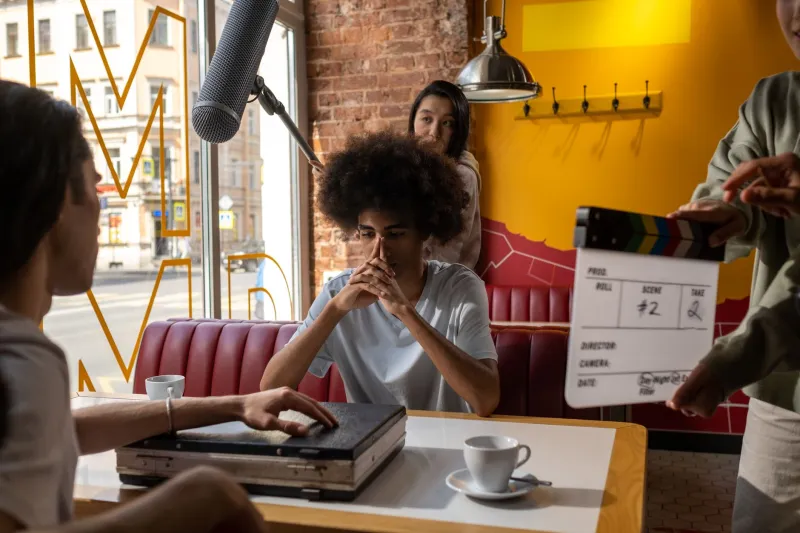
Photo: corporate boardroom diversity meeting Hollywood film industry, via wallpaperaccess.com
At some point in the last decade, a genuine cultural reckoning got absorbed by the machine. What started as an overdue demand — that Hollywood reflect the actual complexity of the country it profits from — got translated into a corporate compliance framework, and something essential was lost in the translation. The demand remained. The accountability didn't follow.
What we got instead was the checkbox. Efficient, documentable, legally defensible, and almost entirely disconnected from what the push for representation was actually about.
When 'Inclusion' Became a Line in the Contract
The mechanics of how this happened are worth understanding, because they're not accidental. After the industry-wide pressure campaigns of the mid-2010s — accelerated by #OscarsSoWhite, the MeToo reckoning, and the cultural explosion following the murder of George Floyd — studios faced a choice. They could restructure power. Or they could restructure optics.
Most chose the latter, and they did it with the same efficiency they bring to any business problem. Diversity and inclusion officers were hired. Representation benchmarks were embedded into studio policies. Some studios adopted versions of the Rooney Rule. Streaming platforms published annual inclusion reports with graphics. The Academy revised its membership and, eventually, its Best Picture eligibility criteria.
All of this looks like progress. Some of it genuinely is. But the dominant effect has been the professionalization of inclusion — the conversion of a moral argument into a metric. And metrics, as anyone who has worked inside a corporate structure knows, are designed to be met, not to be meaningful.
The Casting Math Problem
Here's what the mandate model produces in practice: a film that hits its representation numbers without ever asking why those numbers matter, what stories they're supposed to unlock, or whether the people filling those roles have any actual creative agency over how they're depicted.
You can cast a diverse ensemble and still write every character of color as a satellite around a white protagonist. You can meet gender parity targets in front of the camera while your writers' room and your above-the-line crew remain a remarkably homogenous group. You can include a gay character and give them exactly one scene that acknowledges their sexuality — carefully calibrated to survive international markets — and call it representation.
This is the gap between diversity as mandate and diversity as creative necessity. The mandate says: make sure the faces on screen don't all look the same. Creative necessity asks: whose perspective is driving this story, who built this world, and does the film trust its audience with the full complexity of the people it's depicting?
Those are completely different questions, and most studios aren't asking the second one because it's harder to put in a quarterly report.
Control By Another Name
There's something worth naming here that tends to get lost in the conversation: the checkbox model is a form of control. Not the crude, explicit kind of control that characterized the industry's worst historical behavior. Something subtler and, in some ways, more durable.
When diversity becomes a compliance function, it gets managed by the same infrastructure that manages every other liability. Legal reviews it. HR administers it. Marketing leverages it. The stories that emerge from this process are shaped, at every level, by people whose primary interest is institutional protection, not authentic expression. The result is representation that has been pre-approved, pre-softened, and pre-tested to offend as few people as possible.
That's not the same thing as telling the truth. And it's not the same thing as giving communities genuine creative ownership over their own narratives. It's closer to the industry saying: we'll put you on screen, on our terms, in the ways that benefit us, and we'll call that progress.
The Talent Pipeline Question Nobody Wants to Answer
The most revealing test of whether a studio's diversity commitments are structural or cosmetic is simple: look at who's in development. Look at who's running the rooms. Look at who has greenlight authority.
Because casting is visible and marketable in a way that development infrastructure isn't. A poster is easy to point to. A writers' room breakdown is not. And the industry has been far more aggressive about diversifying what audiences see than about diversifying who makes the decisions that shape what gets made.
This is where the real scarcity lives. The screenwriters who don't get staffed because the room already hit its numbers. The directors with genuinely disruptive perspectives who can't get a meeting because the studio already has its inclusion story for this cycle. The projects that die in development because they're too specific, too culturally particular, too unwilling to sand down their edges for a demographic model.
The mandate doesn't protect those people. In some cases, it actively papers over their absence.
What Authentic Representation Actually Costs
Real representation — the kind that produces films like Moonlight, Minari, The Farewell, Pariah — tends to happen in spite of the corporate machinery, not because of it. These films exist because individual champions inside the industry fought for them, because financing came from sources less beholden to the mandate model, because the filmmakers had enough autonomy to make something genuinely specific rather than broadly palatable.
That kind of specificity is expensive in ways that have nothing to do with budget. It costs the studio the ability to control the narrative. It means trusting a filmmaker's vision over a focus group's comfort level. It means accepting that a film serving one community's experience fully might not optimize for every market simultaneously.
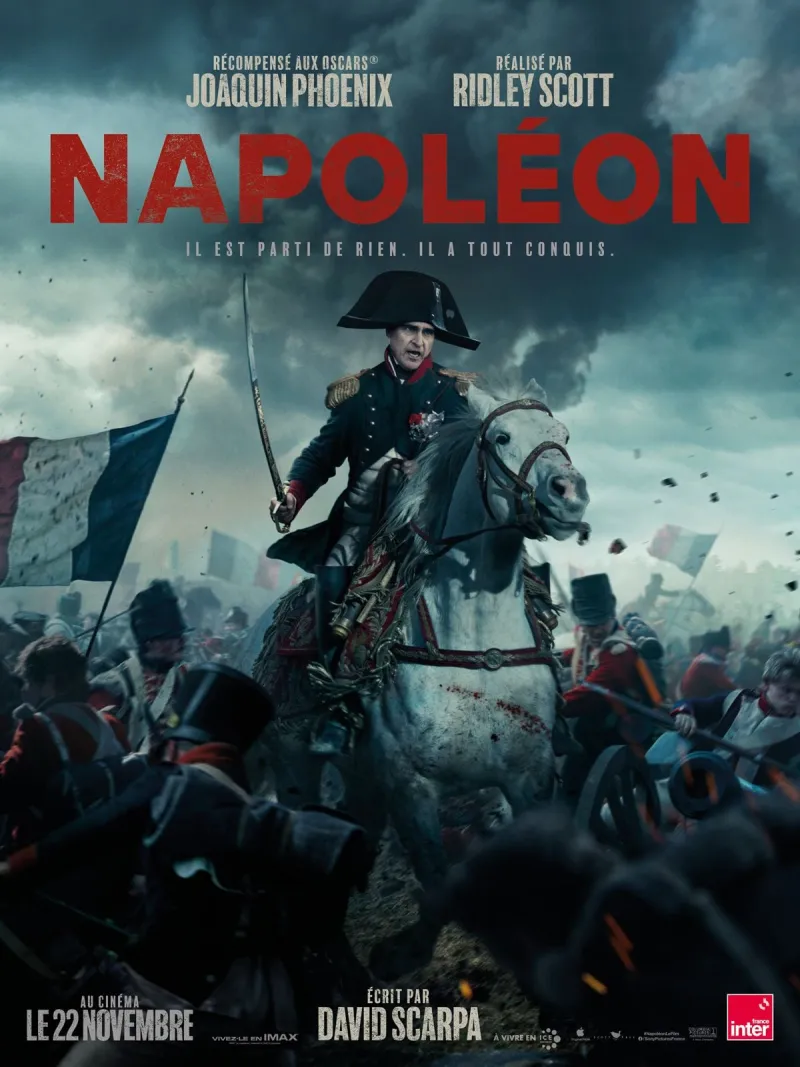
The checkbox doesn't ask for any of that. The checkbox asks for a face on a poster and a positive inclusion metric in the annual report. It's the lowest possible bar dressed up as a commitment.
The industry will keep publishing those reports. The numbers will keep improving. And somewhere, a genuinely original story about an underrepresented community will be dying in development because it doesn't fit the mold that the mandate created — the safe, marketable, legally defensible version of representation that protects studios while changing almost nothing that actually matters.